🇪🇬 Dahab vs Diani Beach: which is the better base? 🇰🇪
Plenty of remote workers shortlist both Dahab and Diani Beach and then stall. This page settles it with numbers: cost of living, internet, safety, walkability, weather, time zones and visa rules, side by side.
Dahab is in Egypt, Diani Beach in Kenya, which matters more than it sounds: it changes your visa options, your tax exposure and how easily you can hop home for a wedding.
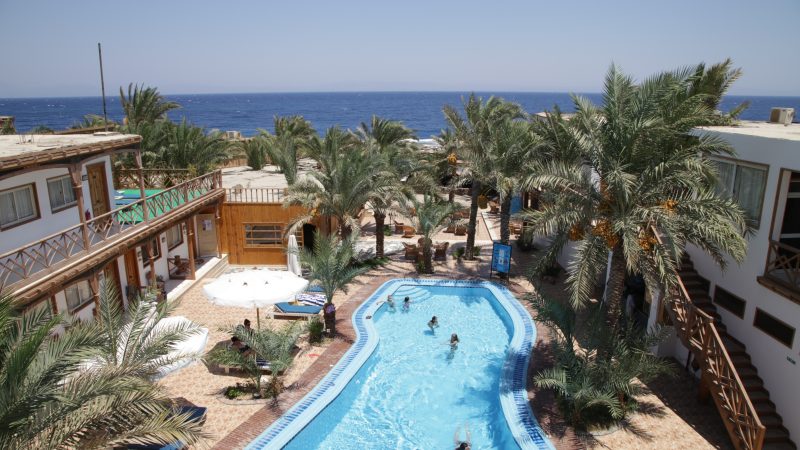
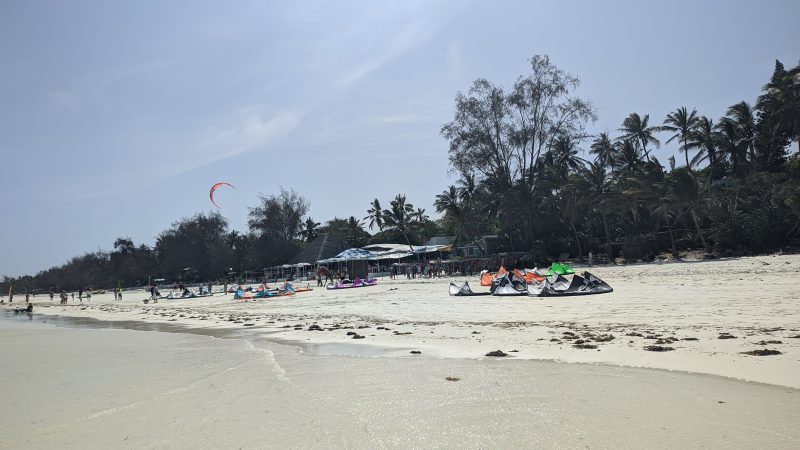
Short answer
Dahab is both the cheaper city ($900 vs $1,300 a month) and the higher scorer (3.9/5 vs 3.7/5), which makes it the straightforward pick for most remote workers.
| Metric | 🇪🇬 Dahab | 🇰🇪 Diani Beach |
|---|---|---|
| Monthly cost | $900 ✓ | $1,300 |
| Nomad score | 3.9/5 ✓ | 3.7/5 |
| Internet | 3.4/5 | 3.6/5 ✓ |
| Safety | 4.2/5 ✓ | 3.9/5 |
| Walkability | 4.2/5 ✓ | 3.8/5 |
| Fun & nightlife | 4.3/5 ✓ | 4.1/5 |
| Weather | 4.7/5 ✓ | 4.6/5 |
| Air quality | 4.4/5 | 4.5/5 ✓ |
Cost of living: Dahab vs Diani Beach
The monthly budget gap is the clearest difference between these two: Dahab runs at roughly $900, Diani Beach at $1,300. That is a 31% difference, or $4,800 a year — enough to fund several months of travel, a serious gear upgrade, or simply a much shorter runway to worry about. Both figures are typical all-in nomad budgets: a one-bedroom rental, groceries and regular restaurant meals, local transport, a mobile data plan and a hot desk at a coworking space. If you cook most nights and skip the central postcode, most people land 15–25%% under these figures.
Time zones and the working day
The time difference between Dahab and Diani Beach is 1 hours — Dahab runs on UTC+2 and Diani Beach on UTC+3, putting Diani Beach ahead. A standard 9–6 working day still overlaps by about 8 hours, so switching between the two barely disturbs a European or same-region client schedule.
Internet and wifi for remote work
On internet, Diani Beach is the stronger of the two: 3.6/5 to 3.4/5 for Dahab, a whisker apart. Connectivity here is scored on three things: what a typical apartment line delivers, how good the mobile network is when it does not, and how workable public wifi is. Dahab is the weaker link here — worth budgeting for a local eSIM as a hotspot fallback if a dropped call costs you money.
Safety, walkability and nightlife
Dahab rates higher for safety (4.2/5 versus 3.9/5) — a narrow but real gap in day-to-day terms like walking home late, petty theft and how comfortable solo travellers report feeling. On walkability Dahab takes it at 4.2/5 against 3.8/5, which in practice decides whether you can live without a car or a daily ride-hail habit. For nightlife, events and the general odds of meeting people, Dahab scores 4.3/5 to Diani Beach’s 4.1/5.
Weather and air quality
Dahab has the better climate for year-round remote work, 4.7/5 against 4.6/5 — our weather score rewards mild shoulder seasons and penalises long stretches you would rather not be outside in. The two also sit in opposite hemispheres — Dahab is north of the equator, Diani Beach south — so their seasons run six months out of phase. That is a genuine advantage if you want to chase summer rather than sit through two winters a year. Air quality is comparable, at 4.4/5 and 4.5/5.
Visas and how long you can stay
This is where the two genuinely diverge. Egypt has no dedicated nomad visa on our index, so a long stay means working within tourist-entry limits or a different permit. Kenya offers a long-stay route for remote workers, valid 1 year, renewable (Class N permit) and requiring around $4,600 a month in proven income. Always confirm current rules with the relevant consulate before you book anything long.
Dahab vs Diani Beach: the verdict
- Choose Dahab if your priority is stretching your runway — it is the cheaper base at $900 a month, saving you $4,800 a year.
- Dahab also takes the overall nomad score (3.9/5 against 3.7/5), so it is cheaper and stronger — the rare case where there is no trade-off.
- Want to stop thinking about where you leave your laptop? Dahab scores better on safety. Here to meet people rather than hide in a flat? Dahab has the livelier scene. On calls all day? Diani Beach is the safer bet for wifi. Want to live without a car? Dahab is the more walkable of the two.
Dig deeper on each city
Useful next: the meeting time-zone planner, the digital nomad visa index, and how to get paid while working abroad.
Ready to go? Set up for Dahab or Diani Beach
Whichever you choose, here's the remote-work kit worth sorting before you land:
Some links are partner links — we may earn a commission at no cost to you.
Dahab vs Diani Beach: frequently asked questions
Is Dahab or Diani Beach cheaper for digital nomads?
Dahab is cheaper, at roughly $900 a month against $1,300 for Diani Beach — a difference of $4,800 a year. Both figures are typical all-in nomad budgets covering rent, groceries, eating out, local transport and coworking.
What is the time difference between Dahab and Diani Beach?
1 hours. Dahab is on UTC+2 and Diani Beach is on UTC+3, and a normal 9–6 working day overlaps by about 8 hours.
Which has better internet, Dahab or Diani Beach?
Diani Beach rates 3.6/5 for internet and Dahab 3.4/5, so Diani Beach is the safer bet if you live on video calls.
Which is safer, Dahab or Diani Beach?
Dahab scores 4.2/5 for safety and Diani Beach scores 3.9/5, giving Dahab the edge for solo travellers and late-night walks home.
Dahab or Diani Beach — which is better overall for remote work?
Overall, Dahab leads with a 3.9/5 nomad score against 3.7/5 for Diani Beach. But the right base depends on your priorities: cost, climate, safety, community or visa access. The full breakdown above splits it metric by metric.
Can I get a digital nomad visa for Dahab or Diani Beach?
Egypt does not run a dedicated nomad visa, so long stays rely on tourist entry limits or another permit. Kenya offers a long-stay route for remote workers, valid 1 year, renewable (Class N permit) and requiring around $4,600 a month in proven income.
Which has better weather, Dahab or Diani Beach?
Dahab rates 4.7/5 for climate and Diani Beach 4.6/5, with air quality at 4.4/5 and 4.5/5 respectively.
Related comparisons
Still shortlisting? These are the other head-to-heads people run against Dahab and Diani Beach:
- Dahab vs Cairo
- Nairobi vs Diani Beach
- Dahab vs Hurghada
- Diani Beach vs Mombasa
- Dahab vs Alexandria
- Diani Beach vs Kisumu
- Dahab vs Luxor
- Diani Beach vs Nakuru
- Cape Town vs Dahab
- Cape Town vs Diani Beach
- Dahab vs Marrakech
- Diani Beach vs Marrakech
Popular Africa comparisons
- Cape Town vs Marrakech
- Cape Town vs Stellenbosch
- Cape Town vs Taghazout
- Cape Town vs Essaouira
- Cape Town vs Kigali
- Cape Town vs Nairobi
- Cape Town vs Grand Baie
- Cape Town vs Paje (Zanzibar)
Or browse all 2066 matchups on the city comparison index.