🇮🇱 Be'er Sheva vs Tel Aviv: which is the better base? 🇮🇱
Deciding between Be'er Sheva and Tel Aviv means trading cost against comfort, climate and community. Here is how the two compare on every metric that shapes a working month abroad.
Because Be'er Sheva and Tel Aviv are both in Israel, there is no visa or currency angle to weigh. Everything below is scored on the same scale, so you are comparing like with like.
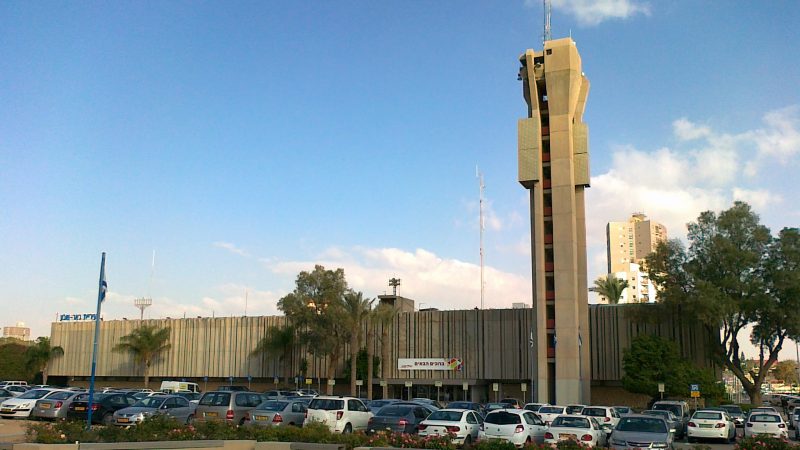
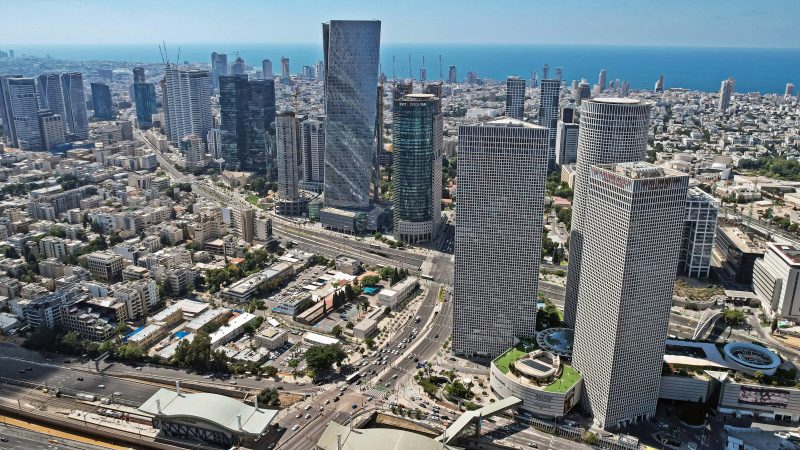
Short answer
You are paying $1,100 a month extra for Tel Aviv, and in exchange you get a higher overall nomad score (4.1/5 vs 3.4/5). Whether that trade is worth it depends on how tight your budget is.
| Metric | 🇮🇱 Be'er Sheva | 🇮🇱 Tel Aviv |
|---|---|---|
| Monthly cost | $2,200 ✓ | $3,300 |
| Nomad score | 3.4/5 | 4.1/5 ✓ |
| Internet | 4.6/5 | 4.7/5 ✓ |
| Safety | 4.2/5 ✓ | 4/5 |
| Walkability | 4.1/5 | 4.6/5 ✓ |
| Fun & nightlife | 3.7/5 | 4.8/5 ✓ |
| Weather | 4.3/5 | 4.5/5 ✓ |
| Air quality | 3.9/5 | 3.9/5 |
Cost of living: Be'er Sheva vs Tel Aviv
Start with money. Living in Be'er Sheva costs around $2,200 a month; Tel Aviv asks about $3,300 for the same standard of living. That is a 33% difference, or $13,200 a year — enough to fund several months of travel, a serious gear upgrade, or simply a much shorter runway to worry about. Neither figure is a backpacker number. They cover a private one-bedroom, a normal social life, local transport, data and a desk you can take calls from. Short lets and central districts push the number up; a longer lease signed locally usually pulls it well down.
Time zones and the working day
Be'er Sheva and Tel Aviv sit on the same clock (UTC+2), so there is no time difference to manage at all — a rare and underrated convenience if you are moving between the two. Your calendar, your client calls and your standups all carry over unchanged.
Internet and wifi for remote work
Tel Aviv wins the wifi round, scoring 4.7/5 where Be'er Sheva manages 4.6/5 — separated by a rounding error. That number blends home fibre speeds, mobile data quality and the odds of finding a café or coworking desk you can actually work a full day from. At that level you can treat Tel Aviv as fully reliable for client calls, large uploads and remote onboarding without a backup plan.
Safety, walkability and nightlife
Be'er Sheva rates higher for safety (4.2/5 versus 4/5) — separated by a rounding error in day-to-day terms like walking home late, petty theft and how comfortable solo travellers report feeling. On walkability Tel Aviv takes it at 4.6/5 against 4.1/5, which in practice decides whether you can live without a car or a daily ride-hail habit. For nightlife, events and the general odds of meeting people, Tel Aviv scores 4.8/5 to Be'er Sheva’s 3.7/5.
Weather and air quality
Tel Aviv has the better climate for year-round remote work, 4.5/5 against 4.3/5 — our weather score rewards mild shoulder seasons and penalises long stretches you would rather not be outside in. Air quality is comparable, at 3.9/5 and 3.9/5.
Visas and how long you can stay
Because Be'er Sheva and Tel Aviv are both in Israel, your visa position is identical either way — the choice is purely about the city, not your right to stay.
Be'er Sheva vs Tel Aviv: the verdict
- Choose Be'er Sheva if your priority is stretching your runway — it is the cheaper base at $2,200 a month, saving you $13,200 a year.
- Choose Tel Aviv if you want the higher all-round score (4.1/5 against 3.4/5) and are willing to pay for it.
- Want to stop thinking about where you leave your laptop? Be'er Sheva scores better on safety. Nightlife, events and a bigger nomad crowd point to Tel Aviv. If daily life on foot matters, Tel Aviv is built better for it. Want more usable months outdoors? Tel Aviv has the kinder climate.
Dig deeper on each city
Useful next: the meeting time-zone planner, the digital nomad visa index, and how to get paid while working abroad.
Ready to go? Set up for Be'er Sheva or Tel Aviv
Whichever you choose, here's the remote-work kit worth sorting before you land:
Some links are partner links — we may earn a commission at no cost to you.
Be'er Sheva vs Tel Aviv: frequently asked questions
Is Be'er Sheva or Tel Aviv cheaper for digital nomads?
Be'er Sheva is cheaper, at roughly $2,200 a month against $3,300 for Tel Aviv — a difference of $13,200 a year. Both numbers assume the same lifestyle — private one-bedroom, some meals out, local transport and a desk to work from.
What is the time difference between Be'er Sheva and Tel Aviv?
There is none — both cities run on UTC+2.
Which has better internet, Be'er Sheva or Tel Aviv?
Tel Aviv rates 4.7/5 for internet and Be'er Sheva 4.6/5, so Tel Aviv is the safer bet if you live on video calls.
Which is safer, Be'er Sheva or Tel Aviv?
Be'er Sheva scores 4.2/5 for safety and Tel Aviv scores 4/5, giving Be'er Sheva the edge for solo travellers and late-night walks home.
Be'er Sheva or Tel Aviv — which is better overall for remote work?
Overall, Tel Aviv leads with a 4.1/5 nomad score against 3.4/5 for Be'er Sheva. That headline number hides real trade-offs though — the table above shows where each city actually wins.
Do I need a different visa for Be'er Sheva or Tel Aviv?
No — both cities are in Israel, so your entry and stay rules are identical whichever you choose.
Which has better weather, Be'er Sheva or Tel Aviv?
Tel Aviv rates 4.5/5 for climate and Be'er Sheva 4.3/5, with air quality at 3.9/5 and 3.9/5 respectively.
Related comparisons
Still shortlisting? These are the other head-to-heads people run against Be'er Sheva and Tel Aviv:
- Be'er Sheva vs Haifa
- Tel Aviv vs Haifa
- Be'er Sheva vs Jerusalem
- Tel Aviv vs Jerusalem
- Be'er Sheva vs Eilat
- Tel Aviv vs Eilat
- Be'er Sheva vs Dubai
- Dubai vs Tel Aviv
- Abu Dhabi vs Tel Aviv
- Doha vs Tel Aviv
- Muscat vs Tel Aviv
- Amman vs Tel Aviv
Popular Middle East comparisons
- Dubai vs Riyadh
- Abu Dhabi vs Doha
- Aqaba vs Dubai
- Dubai vs Eilat
- Dubai vs Ras Al Khaimah
- Dubai vs Salalah
- Dubai vs Sharjah
- Abu Dhabi vs Haifa
Or browse all 2066 matchups on the city comparison index.